Uncover the Wealthy Past and Beautiful Vistas of San Antonio Missions National Historical Park
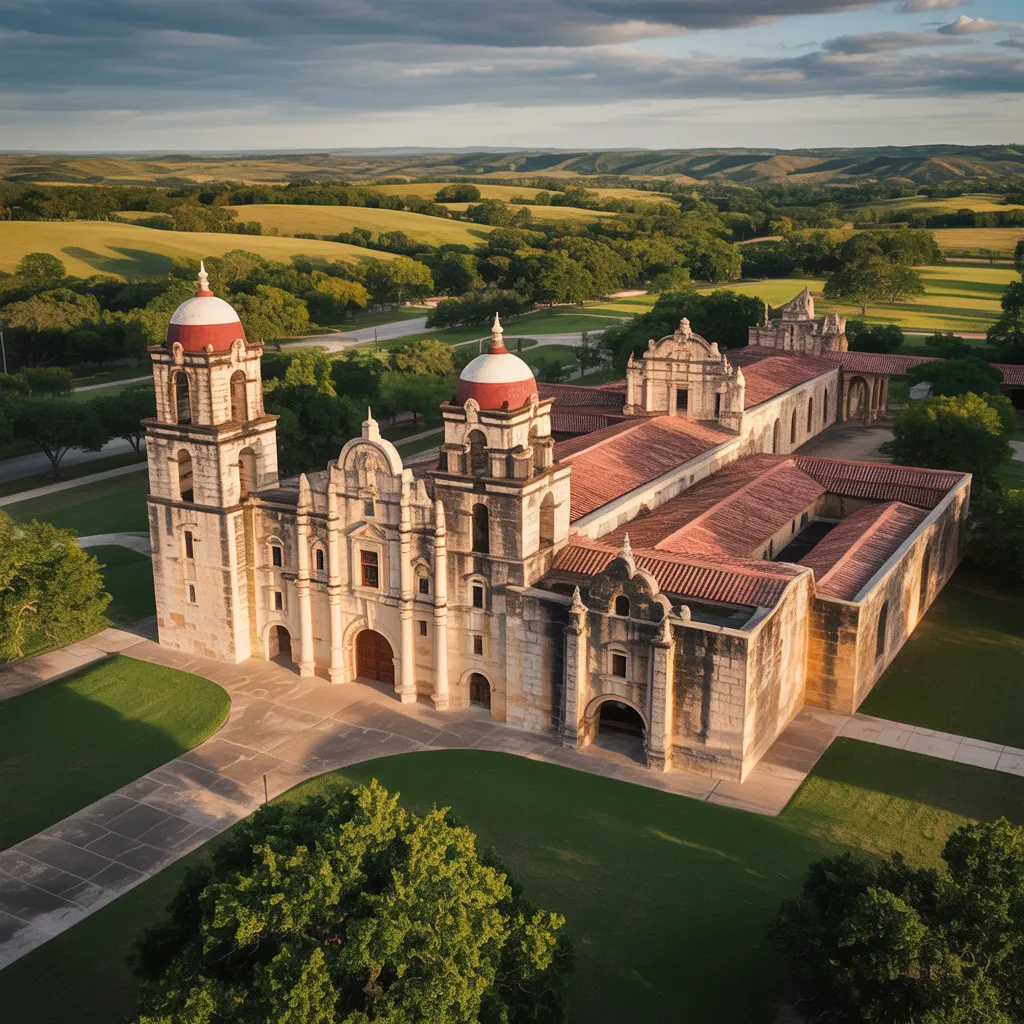
San Antonio Missions National Historical Park functions as a tribute to the 18th-century Spanish colonization in North America. Its religious institutions functioned not only as spiritual sanctuaries but also as nucleuses of agrarian progress. Visitors can stroll through these period structures while taking in the serene beauty of the surrounding landscapes. The park presents more than just history; it inspires exploration and interaction. What awaits beyond the sanctuaries and paths may startle those who push onward.
Understanding the Historical Influence of the Mission Establishments
Though often overlooked, the San Antonio Missions demonstrate substantial historical importance as key centers of cultural interaction and religious impact in the 18th century. Created by Spanish colonists, these missions served as main locations for the expansion of Christianity within Indigenous populations. They promoted the introduction of European farming practices, livestock, and architecture, reshaping local ways of life.
The missions also served as nexuses for commercial activity and social participation, deepening relationships between diverse populations. Their optimal positions along the San Antonio River enabled the founding of a network that brought together sundry communities, advancing both economic and cultural enrichment.
In essence, the missions played a essential function in the broader context of Spanish colonization in North America. Today, they exist as a monument to the multifaceted dialogue of cultures, revealing the resilience and adaptability of both the Indigenous peoples and the Spanish settlers in this historical narrative.
An In-Depth Review at Every Mission
Each mission within the San Antonio Missions National Historical Park offers unique insights into the region's Spanish colonial past. Mission San Antonio de Padua, Mission San José y San Miguel de Aguayo, and Mission Concepción each reflect distinct design elements and historical accounts. By visiting these historic structures, tourists can gain a greater appreciation of their historical and cultural significance.
Mission San Antonio De Padua showcases excellent Spanish historical design set within California's landscape. Founded during 1771, the mission operated as a primary site for religious practices among native groups. The well-maintained buildings offer guests a fascinating view into the complex stories of social exchange.
Mission San Antonio de Padua, one of the ancient missions in California, serves as a testament to the region's vibrant past and cultural legacy. Established in 1771, it was the third mission established by Spanish Franciscan missionaries. Nestled in a scenic valley near the Salinas River, it showcases stunning architecture, including a charming adobe church distinguished by its unique bell tower. The mission functioned as a crucial agricultural hub, significantly affecting the local economy and community. Its well-preserved grounds, displaying gardens and historic structures, encourage visitors to discover the daily lives of the missionaries and Native Americans. Today, Mission San Antonio de Padua remains an essential site for comprehending California's early interactions between different cultures and the spread of Christianity.
Mission San José Y San Miguel De Aguayo stands as a significant example of Spanish colonial structures and cultural traditions.
Dating back to 1720, Mission San José y San Miguel de Aguayo is an important site in Texas history, reflecting the blend of Spanish colonial architecture with indigenous culture. Known as the "Queen of the Missions," it acted as a focus for religious, farming, and cultural activities. The mission's elaborate stone carvings, including the famous Rose Window, illustrate the skill of that period. It also housed a granary, a convent, and featured a well-organized layout that supported community life. Mission San José was vital in converting native populations to Christianity while advancing agricultural techniques. Today, it stands as a celebration of the creativity of both Spanish and indigenous peoples, attracting visitors enthusiastic to experience its rich heritage.
Mission Concepción Historic Details
Although often overshadowed by its larger rivals, Mission Concepción maintains a distinctive position in the history of Texas' Spanish missions. Founded in 1731, it is one of the oldest missions in the area, originally founded in East Texas before relocating to its current location in San Antonio. The mission is notable for its carefully preserved design, including an striking stone church featuring a unique baroque exterior. Its main goal was to evangelize the Native American communities, especially the Coahuiltecan tribes. Mission Concepción played an vital function in the cultural and spiritual development of the area, acting as a hub for education and agriculture. Today, it stands as a monument to the resilience of the mission system and the diverse history of Texas.
Touring the Natural Landscape
San Antonio Missions National Historical Park showcases a rich tapestry of diverse flora and fauna that elevates its scenic appeal. Scenic river trails wind through the terrain, providing visitors an opportunity to admire the area's biodiversity. This unique environment not only supports wildlife but also encourages investigation and learning.
Diverse Plant Life and Animal Life
The natural landscape of the San Antonio Missions National Historical Park is a colorful composition of assorted plants and animals that reflects the region's rich ecological heritage. The park's ecosystems span from lush riparian areas San Antonio Missions National Historical Park address to dry highland areas, supporting a variety of plant species such as mesquite, live oak, and wildflowers. Wildlife flourishes here, with species including deer, coyotes, and numerous birds inhabiting the area. Additionally, the park acts as a essential refuge for migratory birds, making it an crucial waypoint. Visitors can view the intricate relationships between these organisms, as well as the impact of seasonal changes on the landscape. This species diversity not only enhances the park's beauty but also promotes its ecological significance.
Scenic River Trails
Flowing through the center of the park, the beautiful river trails provide visitors with an engaging experience of the natural landscape. These trails wind beside the San Antonio River, highlighting the serene beauty of verdant greenery and bright wildflowers. When walking or biking along the trails, the sounds of rustling leaves and chirping birds form a melody of nature that relaxes the spirit. Visitors can access various viewpoints along the trails, where they can stop to admire the peaceful waters and the diverse wildlife inhabiting the area. Informational signs along the way enhance the journey, offering insights into the region's ecology and history. In general, the scenic river trails encourage exploration and appreciation of the park's unique natural heritage.
Pathways and Recreational Activities
While exploring the extensive heritage of San Antonio Missions National Historical Park, visitors can also immerse themselves in a variety of trails and recreational activities. The park offers several well-maintained trails that meander through verdant terrain and historic sites, enabling guests to enjoy both nature and heritage. The Mission Trail, a highlight, links all four missions, providing a beautiful path for hiking and biking.
Bird observation aficionados will locate diverse avian species along the park's wetlands and meadows. Additionally, families can appreciate outdoor dining in designated areas, where the serene environment promotes relaxation. For those wanting a stronger relationship with nature, interpretive programs often showcase local flora and fauna, deepening the outdoor experience. The park's commitment to preserving its historical and natural resources offers an excellent venue for recreational pursuits, ensuring visitors go with permanent impressions of both adventure and education.
Visitor Details and Tips
Planning a visit to San Antonio Missions National Historical Park comes with knowing some key information to make the most of your experience. The park is open all year without an entrance fee, making it freely accessible. It is advisable to wear comfortable shoes for walking, as exploring the missions and trails may entail significant walking. Visitors should keep in mind the weather, since summer can bring high temperatures; the mornings and evenings often offer cooler and more pleasant conditions for outdoor activities.
There is parking available near the missions, but it can fill quickly during weekends and holidays. To maximize the visit, it is recommended to begin at the visitor center, where helpful resources and maps are supplied. Also, bringing water and snacks will guarantee a pleasant day of exploration. Lastly, visitors should be respectful of the historical sites, keeping the area clean and adhering to park regulations.
Events and Instructional Offerings
San Antonio Missions National Historical Park offers a variety of events and programs intended to engage visitors of all ages. These offerings include guided tours, workshops, and presentations that emphasize the abundant cultural legacy of the missions. Periodic events like "Mission Heritage Days" welcome families to explore crafts, music, and cuisine of tradition, fostering a feeling of communal bond and historical connection.
Moreover, the park arranges ranger-led talks that uncover the history and significance of the missions, making them accessible and informative for guests. Educational programs also address school groups, creating tailored activities that align with educational standards. These initiatives cultivate hands-on learning and promote stewardship of the park's historical resources. By delivering diverse programming, San Antonio Missions National Historical Park establishes that every visitor can acknowledge the unique stories and natural beauty of this UNESCO World Heritage site.
Frequently Asked Questions
Are Pets Welcome at San Antonio Missions National Historical Park?
Pets are not allowed in San Antonio Missions National Historical Park to protect the natural environment and guarantee visitor safety. However, service animals are permitted, following federal regulations for assistance animals in public spaces.
When Is the Park Available Throughout the Year?
The park functions every day from 9 AM to 5 PM, offering extended hours during select seasons. Guests should examine the official website for any alterations to hours or featured activities all year.
What is the Admission Price for Visiting the Park?
Exploring the park is free of charge, thereby allowing guests to experience its natural and cultural attractions freely. However, gifts are welcomed to help sustain the park's programs and facilities for generations to come.
Is it Possible to Sleep Overnight in the Park?
Overnight overnight stays is not permitted within the park. Visitors looking for a camping experience must visit nearby camping facilities, which offer lodging and facilities while allowing them to enjoy the surrounding natural beauty and historical significance.
Is it Possible for Visitors to participate in structured tours?
Yes, structured tours are available for visitors. These tours present perspectives into the park's historical significance and architecture, allowing guests to examine the area with knowledgeable guides who elevate the experience through detailed explanations.